Skip to content
 0
0What is Fermentation?
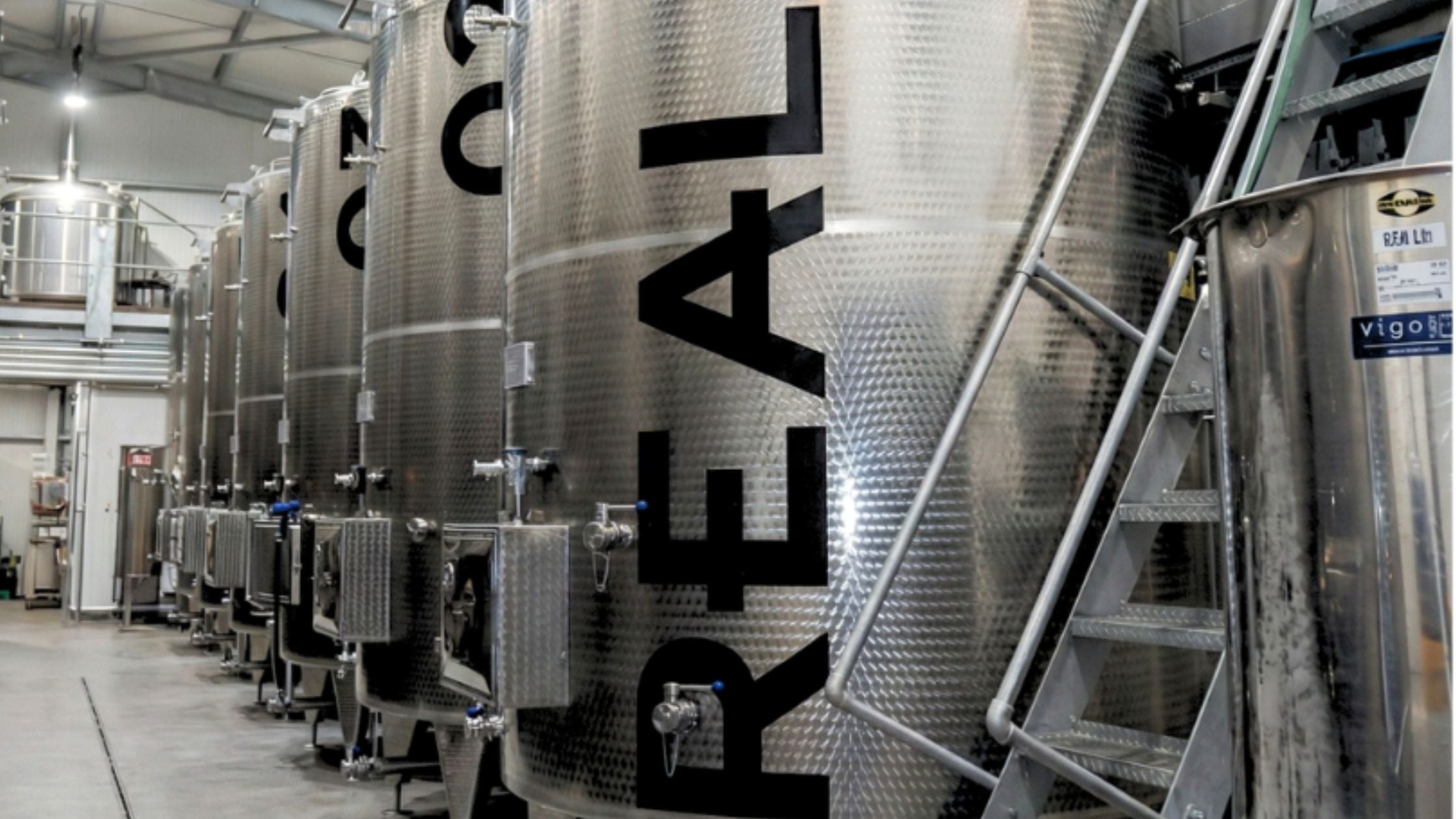
Fermentation is often described simply as “microbes turning sugar into alcohol,” but that’s only part of the story. In reality, fermentation is a set of metabolic processes used by microorganisms to generate energy — and in doing so, they create many of the flavours, textures and structures we associate with great food and drink.
Put more simply: fermentation is how microbes eat — and flavour is the consequence.
At the heart of fermentation are organisms like yeast and bacteria. These microorganisms consume sugars — glucose, fructose, sucrose — and break them down to release energy. When oxygen is limited or absent, they switch to fermentation instead of respiration. This is less efficient in terms of energy production, but it generates a range of by-products that are incredibly important to us: alcohol, organic acids, carbon dioxide, and a wide spectrum of flavour compounds.
So when we ferment drinks, we are not creating something artificial. We are harnessing a natural system and guiding it.
Fermentation origins
Long before plants, animals, or even oxygen-rich atmospheres existed, the Earth was dominated by simple microorganisms. In these early conditions, oxygen was either absent or extremely scarce, so the first forms of life relied on fermentation to generate energy. These primitive microbes broke down simple organic molecules to survive, producing acids, alcohols, and gases in the process — the same fundamental outputs we still see today. Modern fermentation is a direct continuation of this ancient system. When we ferment a drink, we are not inventing something new; we are harnessing a process that has been shaping life on Earth for billions of years.
The core science: how fermentation works
All fermentation begins with the same starting point: sugar.
Microorganisms break down sugar through a process called glycolysis, producing small amounts of energy and creating a compound called pyruvate. From there, different organisms take different metabolic routes depending on their biology and environment.
In alcoholic fermentation, yeast — most commonly Saccharomyces cerevisiae — converts sugars into ethanol (alcohol) and carbon dioxide. This is the defining process behind beer and wine. But ethanol and CO₂ are only part of the output.
In parallel, bacteria follow different routes. Lactic acid bacteria convert sugars into lactic acid, creating a softer, more rounded acidity. This is the process behind yoghurt, but it also plays a role in certain styles of beer and many non-alcoholic ferments. Acetic acid bacteria, on the other hand, convert alcohol into acetic acid — effectively turning ethanol into vinegar.
In real fermentations, these processes rarely happen in isolation. Instead, they form a sequence or ecosystem. Yeast may begin the process by producing alcohol and aromatic compounds. Bacteria then modify that environment — consuming alcohol, producing acids, and shifting the balance of flavour. Over time, the system evolves.
This is why fermentation is better understood not as a single reaction, but as a dynamic, living system.
Fermentation in alcoholic drinks
In alcoholic drinks, fermentation is typically directed towards one primary outcome: the production of ethanol or what we generally know as alcohol. But the best producers understand that alcohol is only one part of the equation.
In beer, fermentation starts with sugars extracted from grain. Yeast converts these into alcohol and CO₂, but the choice of yeast strain, fermentation temperature, and oxygen levels all influence the secondary flavour profile. A clean lager yeast might produce very few esters, resulting in a crisp, neutral beer. A Belgian yeast strain, by contrast, can generate expressive fruity and spicy notes.
In wine, fermentation is even more closely tied to raw material. Grapes bring not just sugar, but also acid, tannin, and a complex set of aromatic compounds. Fermentation unlocks and transforms these. Winemakers carefully manage variables such as yeast selection (wild vs cultured), temperature, and oxygen exposure to shape the final profile. Alcohol provides body and weight, but it is the interplay of acidity, tannin and fermentation-derived aromatics that defines quality.
Spirits follow the same initial step. Whether it’s whisky, rum or vodka, fermentation creates the base liquid. Distillation then concentrates alcohol, but many of the flavour compounds produced during fermentation — known as congeners — carry through and define the character of the final spirit.
Across all of these categories, one principle holds: fermentation is not just about producing alcohol. It is about building flavour.
Non-alcoholic fermentation: the same science, different objective
Non-alcoholic fermentation uses the same biological and chemical pathways as its alcoholic counterpart, but with a fundamentally different objective. Rather than maximising alcohol, the aim is to build complexity, balance and structure while keeping alcohol low. That requires a more deliberate, more controlled approach — not less fermentation, but better-directed fermentation.
At REAL, this starts with yeast selection. Different yeasts produce different flavour compounds — esters, phenols — and we choose them for the flavours they unlock. Fermentation is allowed to run longer, not shorter, so that these flavours have time to develop.
Over time, our carefully selected bacterias transform these into a layered profile of organic acids and secondary compounds. The result is not a single, sharp acidity, but a structured, balanced system
Acidity itself is treated as a compositional tool. Rather than relying on sharp, dominant acetic acid, we build balance through a combination of acids — softer lactic notes, brighter acetic lift, and other organic acids that contribute to length and integration. This is what gives the drink persistence on the palate — not just initial impact, but a sense of progression and finish.
This approach is fundamentally different from most non-alcoholic drinks. It is not about extraction or blending alone, but about building flavour through time, microbiology, and control. And to our knowledge, it is not being done in this way — with this level of precision and intent — anywhere else in the world.
Why many non-alcoholic ferments lack depth
Despite using the same underlying science, many non-alcoholic fermented drinks lack the depth and balance found in their alcoholic counterparts. This is largely because alcohol itself plays a structural role in drinks.
Ethanol contributes viscosity, weight, and a sense of roundness. It also acts as a solvent for aromatic compounds, helping to carry flavour. Without it, drinks can feel thin or overly sharp if acidity is not carefully managed.
This is why many simple ferments taste either too acidic or one-dimensional. The process has occurred, but it has not been shaped.
To create exceptional non-alcoholic fermented drinks, you need to replace the structural role of alcohol with other elements.
Building structure without alcohol
One of the most effective tools for this is tea. Tea naturally contains tannins — polyphenolic compounds that create a drying, slightly astringent sensation. This provides a sense of structure similar to wine. Tea also contributes bitterness and aromatic complexity, making it an ideal base for fermentation. At REAL we are highly selective in our choice of exceptional teas that both give initial structure, but also the ideal compounds for fabulous fermentations.
Acidity must also be carefully balanced. Lactic acid provides a softer, more rounded acidity, while acetic acid is sharper and more volatile. The ratio between these has a significant impact on the final profile.
Residual sugar can play a role too, not as sweetness, but as balance. In small amounts, it can offset acidity and create a more complete mouthfeel.
Controlling the system
The difference between a basic fermentation and an exceptional one lies in control.
The selection of our specific microbes is fundamental, and we use different microbes for different fermentations. These yeast and bacteria strains produce different flavour compounds. Some yeasts generate more esters (fruity notes), while others produce more neutral profiles. Some bacteria emphasise lactic acidity; others drive acetic character.
The nutrient availability from our teas also matters. Fermentation is not just about sugar — microorganisms require nitrogen, minerals and vitamins to function properly. Without these, fermentation can stall or produce undesirable flavours.
Oxygen plays a defining role as well. Yeast-driven alcoholic fermentation typically occurs in low-oxygen conditions, while acetic acid bacteria require oxygen to convert alcohol into acid. Managing oxygen exposure allows you to guide the balance between these pathways.
Slow fermentations are also an important factor. Fermentation is not static — it evolves. Early stages may be dominated by yeast activity, producing fruitier, fresher notes. Later stages may see increased acidity and complexity as bacteria take over. Many accelerate fermentation to reduce time in tank, but this will just results in bland, very acidic drinks. That is not the REAL way where complexity is everything.
Blending and refinement
One of the most underutilised techniques in non-alcoholic fermentation is blending.
Just as in wine, no single fermentation is likely to be perfectly balanced. One batch may have bright acidity but lack depth; another may have more structure but less freshness. Blending allows you to combine these attributes into a more complete final product.
This approach moves fermentation away from a purely process-driven mindset and towards one of craftsmanship.
Fermentation and food
Ultimately, the purpose of many of these drinks is not just to be consumed in isolation, but to complement food.
A well-structured fermented drink can perform many of the same functions as wine:
-
Acidity can cut through richness
-
Tannins can provide grip and structure
-
Aromatics can enhance flavours on the plate
This is where fermentation becomes particularly powerful in the non-alcoholic space. It allows for the creation of drinks that are not simply substitutes, but alternatives with their own integrity.
Conclusion: fermentation as a tool for flavour
Fermentation is often simplified, but it is best understood as a controlled transformation of raw materials through microbial activity.
In nature, it is a survival mechanism.
In science, it is a set of metabolic pathways.
In drinks, it is a tool for creating complexity.
Alcoholic and non-alcoholic fermentations share the same foundations, but diverge in intent. One leans into ethanol as a central component; the other must build structure and balance through different means.
And increasingly, it is this understanding — not just of what fermentation is, but of how to shape it — that defines the difference between something that is simply fermented, and something that is genuinely exceptional.
- Posted in:
- Alcohol Free
- alcohol free drinks
- drinks
- flavour perception
- global sparkling wine terms
- Non-Alcoholic Alternative to sparkling Wine
- REAL BLUSH
- REAL DRY
- REAL SEC
- REAL sparkling tea
- taste